
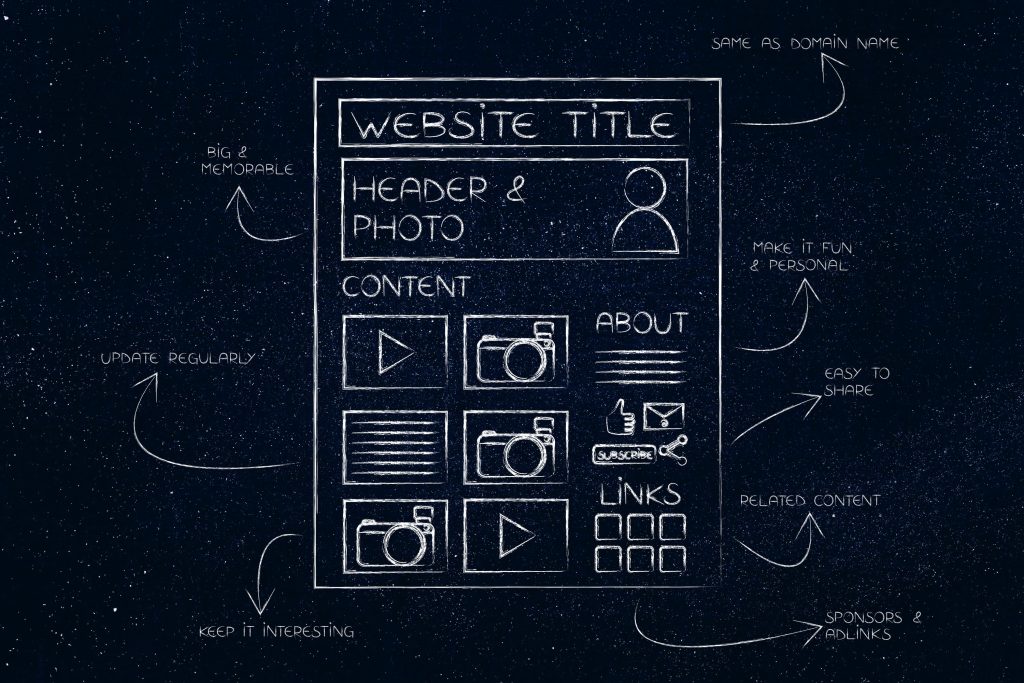
Your website feels like a maze, and your best content stays hidden from search engines and visitors alike. Fixing your website architecture can clear the path, making your content easier to find, trust, and show up in search results and AI answers. This guide breaks down practical upgrades—from internal linking strategy to schema markup—that boost discoverability and build trust with Google and AI systems. Keep reading to see how Myrtle SEO can help you build an AEO-ready site that drives real growth. Book your free 30-minute audit today.
Improving Website Architecture for SEO Success
Improving your website’s architecture can have a significant impact on your SEO success. Effective website architecture not only enhances user experience but also makes it easier for search engines to index and rank your content. Let’s explore the steps to achieve this.
Streamlining Information Architecture
Well-organized information architecture (IA) is crucial for guiding both users and search engines through your site. Begin by categorizing your content logically. This means grouping related topics together and creating a clear hierarchy. A well-thought-out IA ensures that visitors can find what they’re looking for quickly, reducing bounce rates and increasing engagement. For example, a shoe store might have categories like men’s, women’s, sports, and casual shoes. Each main category can then have sub-categories for different brands or styles. By following this structure, your site becomes intuitive for users and easier for search engines to crawl.
Enhancing Site Navigation UX
User experience (UX) in site navigation is essential for keeping visitors engaged. A clean, straightforward menu helps users find content without frustration. It’s important to keep the navigation bar simple and avoid clutter. Limit the number of items in the main menu to the most important pages. For example, a tech blog should have main categories like “Reviews,” “News,” and “Guides” prominently displayed. Consider adding a search function to assist users in finding specific content quickly. Implementing breadcrumb trails can also help users understand their location within your site. These elements not only improve user experience but also boost your site’s credibility with search engines.
Optimizing Internal Linking Strategy
Internal linking is a powerful tool in SEO that helps distribute page authority and guides users through your website. Start by identifying key pages on your site, such as those with the most valuable content or conversion opportunities. Link these pages from other related content to spread link equity and encourage users to explore further. For instance, if you have a blog post about “Running Shoes,” link it to related articles or product pages. This approach not only helps search engines understand your site’s structure but also keeps users engaged by offering them more relevant information. The more interconnected your content, the better your site performs in search rankings.
Techniques for Increasing Content Discoverability
Content discoverability is key to ensuring your valuable content reaches your target audience. By implementing specific techniques, you can make your content easier to find both for users and search engines.
Building Effective Content Hubs
Content hubs are centralized collections of related content that enhance the visibility of your core topics. They serve as authoritative sources for specific subjects, improving your website’s relevance and authority in the eyes of search engines. Start by identifying key topics that align with your brand and audience interests. Create pillar content that serves as a comprehensive guide and link to related blog posts or articles. This “hub and spoke” model not only organizes your content but also establishes your site as a go-to resource. For instance, a health website might have a hub on “Nutrition,” with spokes covering “Vitamins,” “Diet Plans,” and “Recipes.”
Implementing Schema Markup and Structured Data
Schema markup and structured data improve how search engines interpret your site’s content. By adding this additional code, you provide context about what your content entails, which can result in enhanced search results. For example, using schema for a recipe page can display ratings, cooking time, and even calorie counts directly in search results. This not only increases click-through rates but also builds trust with users. Implementing schema is a technical step but offers significant benefits in terms of visibility and user engagement.
Utilizing XML Sitemaps and Canonical Tags
An XML sitemap acts as a roadmap for search engines, helping them navigate and index your site more effectively. Ensure your sitemap is up-to-date and includes all important pages. This is particularly useful for large websites with complex structures. Canonical tags, on the other hand, prevent duplicate content issues by telling search engines the preferred version of a page. This is essential when you have similar content across different URLs. Implementing these tools correctly ensures that search engines focus on the most relevant pages, improving your site’s overall ranking potential.
Building Trust and Authority in Search Engines

Building trust and authority is essential for SEO success. Search engines prioritize sites that demonstrate credibility and expertise, leading to higher rankings and increased traffic.
Enhancing E-E-A-T and Trust Signals
E-E-A-T stands for Expertise, Authoritativeness, and Trustworthiness, which are critical factors that search engines use to assess content quality. To enhance E-E-A-T, ensure your content is written by knowledgeable authors and includes accurate, up-to-date information. Adding author bios and linking to credible sources can strengthen your site’s authority. Trust signals like secure HTTPS certification and transparent privacy policies also contribute to building user confidence. These elements collectively improve how search engines view your site, leading to better visibility and user trust.
Leveraging Topical Authority and Entity SEO
Establishing topical authority involves becoming a recognized expert in your industry or niche. This means consistently producing high-quality content around core themes relevant to your audience. Use entity SEO by incorporating well-known individuals, brands, or concepts related to your topic to strengthen your site’s association with specific subjects. For example, if your site focuses on digital marketing, referencing renowned marketers or industry leaders can boost credibility. This strategy not only enhances your site’s authority but also helps search engines understand your content’s relevance.
Boosting Core Web Vitals and Page Experience
Core Web Vitals are a set of metrics that assess your site’s loading speed, interactivity, and visual stability. Improving these metrics is crucial for providing a positive user experience and meeting search engine expectations. Ensure your site loads quickly by optimizing images, using efficient coding practices, and leveraging browser caching. Interactivity and visual stability can be enhanced by minimizing layout shifts and ensuring responsive design. By focusing on these aspects, you not only improve user satisfaction but also increase the likelihood of higher search rankings.
In conclusion, improving your website architecture is a vital step toward achieving SEO success and enhancing your online presence. By streamlining information architecture, enhancing navigation UX, and implementing effective internal linking strategies, you create a user-friendly site that search engines will favor. Furthermore, techniques like building content hubs, using schema markup, and maintaining XML sitemaps ensure your content is discoverable and authoritative. With a strong foundation in trust and authority, your site becomes a reliable destination for both users and search engines. Embrace these strategies and watch your website thrive in the digital landscape.